The Wellbeing Blind Spot of College ROTC Programs

This article was originally published by the Coalition for Student Wellbeing
Every year, roughly 6,400 active-duty service members and veterans die by suicide. When the public pictures this crisis, PTSD is usually the assumed cause. But that narrative misses a critical piece of the story: the crisis often begins before service even starts.
I saw why firsthand.
During my first two years at the University of Texas at Austin, I served as a cadet in the Air Force Reserve Officer Training Corps (AFROTC) — a four-year program that commissions students as officers in the U.S. Air Force after graduation. The AFROTC program consists of weekly physical training, leadership laboratories, field exercises, and a three-week intensive training in Alabama. Needless to say, this lifestyle can weigh heavily on those who live it.
While an injury eventually forced me to leave the program, my time there gave me a firsthand look at the parts of the culture of military officer training that are quietly costing lives; I personally knew three cadets at various schools across the country who took their own lives before ever entering active duty.
Cadets are not just college students, nor are they solely members of the U.S. armed services — they are both. They carry a full course load, adjust to living independently for the first time, and take on the physical and mental demands of military training all at once. In addition, the military’s heavy emphasis on STEM degrees, which are often the most demanding and work-intensive college paths, increases students’ burden. While some cadets come from military families and arrive with a sense of what to expect, many others are encountering military customs for the very first time. I watched high-performing classmates describe feeling a “firehose” of pressure coming from early morning workouts, uniform regulations, military jargon, and social competition. Simply put, cadets were drowning in an atypical college experience. To cope, many turned to unhealthy habits.
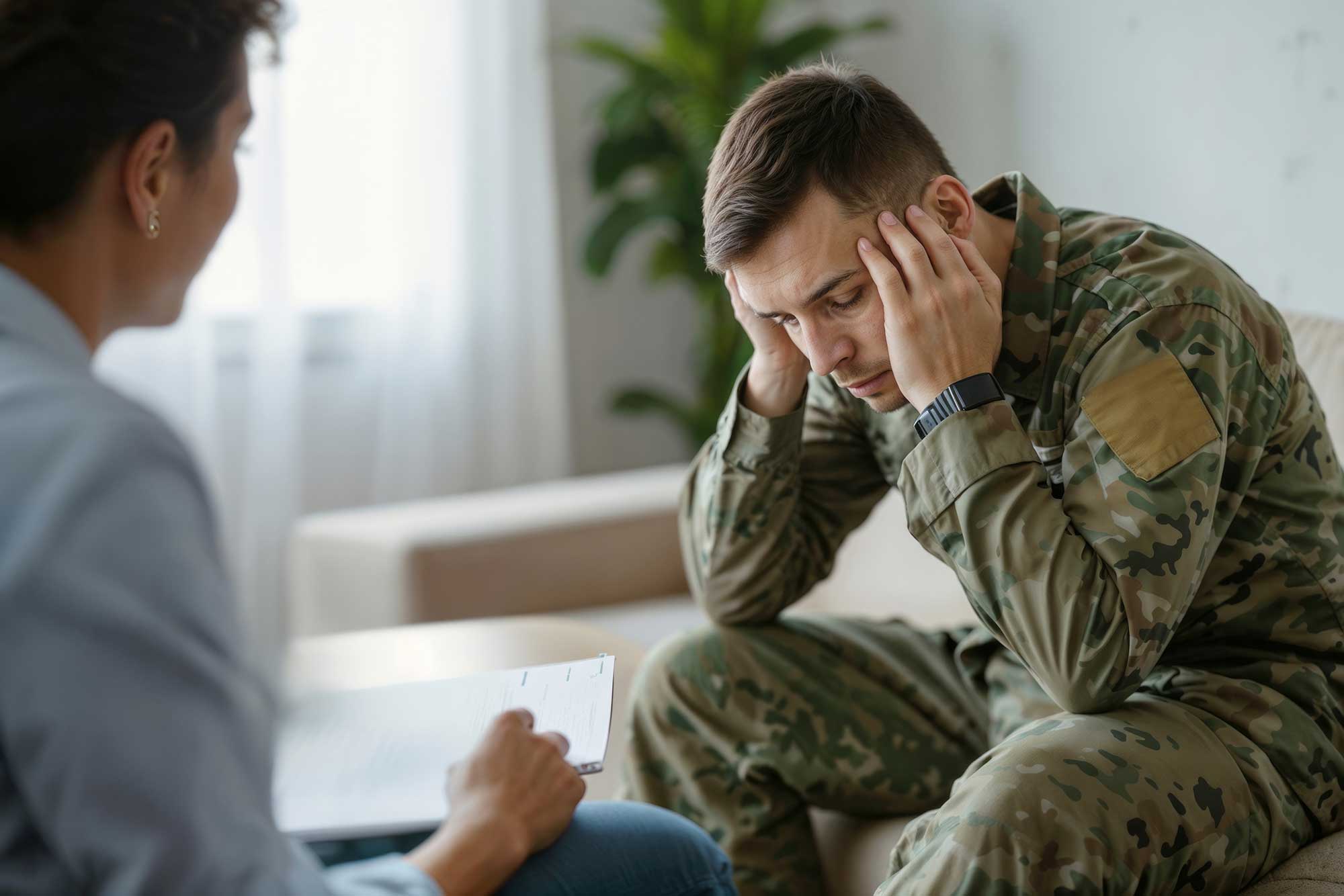
The obvious solution might seem to encourage cadets down the path universities often send students down: counseling centers and therapy services. But most cadets can’t, or won’t, go near them. Mental health concerns are commonly flagged as grounds for medical disqualification, so walking into a counselor’s office can mean risking the very future a cadet is working toward. This fear keeps cadets struggling in silence.
From training to active duty, reserves, and guard employment, the military surrounds service members with support built for exactly this kind of strain: chaplains for confidential conversations and structured systems for managing time, workload, and adjustment. These systems appear as rigid daily schedules, resiliency training programs, and mentorship frameworks.
In ROTC, though, this infrastructure rarely exists in full. Not only do cadets lack access to chaplains, but they are also forced to balance their own schedule of military training, college courses, and extracurricular activities. The absence of structure leaves cadets exposed at exactly the moment they need support most. Left unaddressed, that kind of sustained, overwhelming pressure can give way to cadets experiencing symptoms consistent with disorders such as anxiety, depression, or OCD. So, how can ROTC cadets access the support they need — not just in moments of crisis, but in building the skills to prevent one from happening in the first place?
The answer is through support, with ROTC Headquarters looking for solutions from a different perspective. By dedicating a staff member or student leader to help cadets adapt to a new lifestyle, they can build routines, manage their time, and navigate the whiplash of a first semester without a flag on their record. This individual can mimic what a chaplain does for active-duty military members by giving students skills to move forward in their day-to-day life. Cadets shouldn’t have to be in crisis, or risk their commissioning, just to get help managing the strain of an extraordinarily difficult transition. A cadet who feels like they’re drowning would benefit enormously from someone whose job is to help them not only plan their days, but grow as a young adult.
Asking for help doesn’t make you a weak warfighter. Understanding your own struggles and building the skills to manage them makes you a better officer, which in turn allows you to show up for the service members under your command. When cadets struggle physically, the military assigns them a fitness plan without hesitation; adjusting to a new, demanding lifestyle deserves the same standard of personalized care. If ROTC HQ gives cadets the tools to handle stress and structure as young adults, they will be creating future officers equipped to handle far greater stress on the battlefield.
ROTC trains cadets to lead under pressure. It should also give them the support to adapt to it.

Stay Informed
Sign up to receive updates about our fight for policies at the state level that restore liberty through transparency and accountability in American governance.