
Homeless Diversion Programs Mandate Treatment While Reducing Incarceration
Individuals involved in the criminal justice system account for an estimated one-third of the homeless population, particularly the chronically homeless and unsheltered populations.
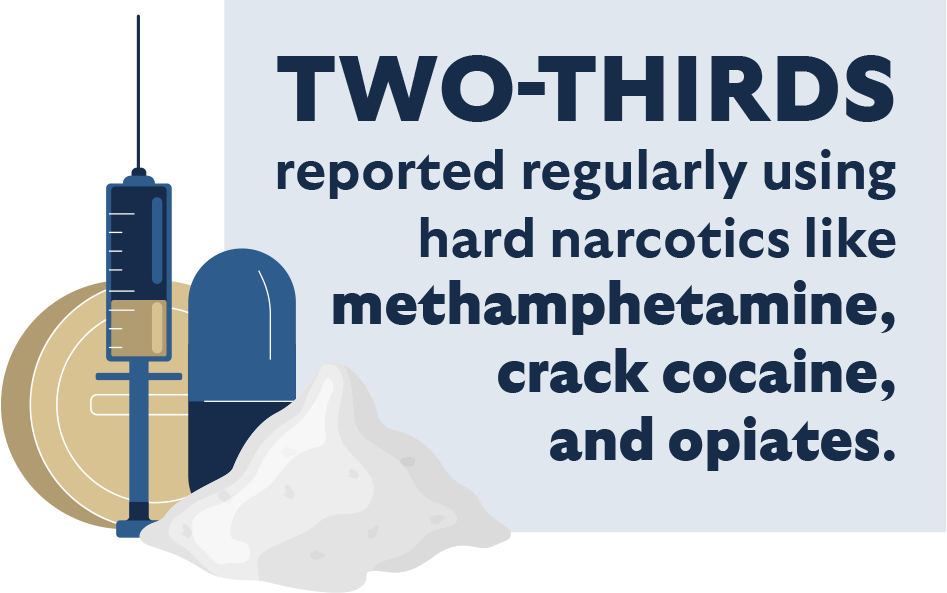
Many in this population struggle with debilitating mental illness and addiction that hinder their ability to attain and maintain housing and employment—and desist from crime.
The matter is further complicated by government programs that typically isolate each of these factors rather than considering how they relate. Failing to take a holistic view too often results in jail instead of treatment.
THE SOLUTION
Communities can address this systemic failure by creating criminal justice programs that divert homeless individuals of a certain risk level who have committed crimes from jail or prison and into behavioral health treatment. Diversion programs have been found to reduce reoffending and increase employment.
However, offenders who fail their diversion programs must be held fully accountable for their crimes.
WHY IT MATTERS
Homeless people receiving mental health or substance abuse treatment instead of jail increases public safety and reduces the number of individuals living on the street.

THE BOTTOM LINE:
Homeless diversion programs offer a balanced approach to providing services to individuals living on the street who have committed crimes. These innovative solutions prioritize treatment while ensuring accountability for participants and service providers alike.

Stay Informed
Sign up to receive updates about our fight for policies at the state level that restore liberty through transparency and accountability in American governance.