
Expanding Civil Commitment
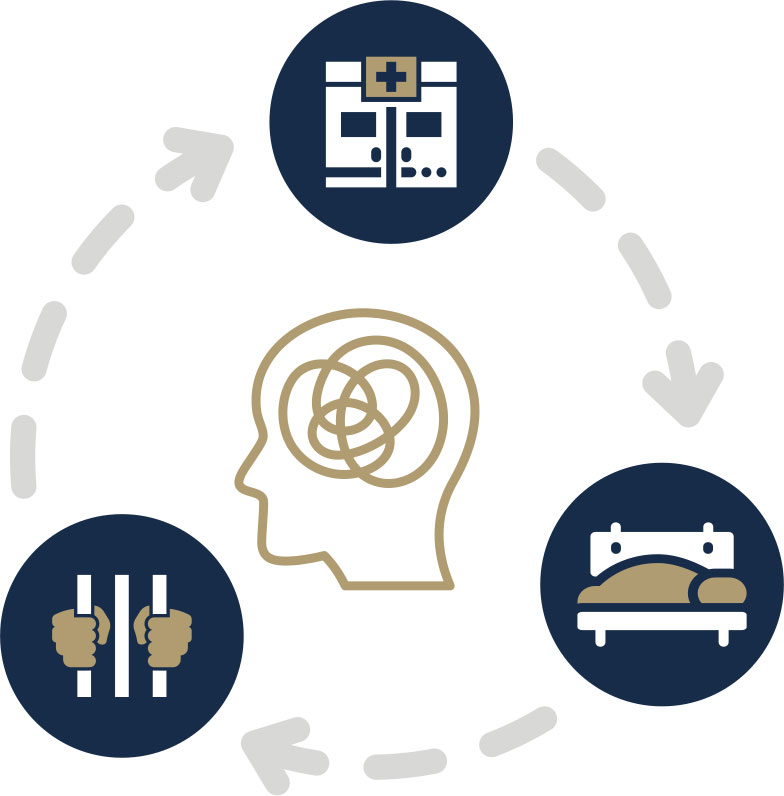
Across the country, people with serious mental illness or addiction are trapped in a cycle of crisis—moving between emergency rooms, jails, and homelessness.
Current civil commitment laws are too narrow and reactive, often requiring an imminent threat or overt act of violence before help can be provided. This leaves families, clinicians, and law enforcement powerless to intervene early, even when someone’s condition is clearly deteriorating. As a result, countless individuals go untreated until they reach a point of danger to themselves or others.
THE SOLUTION
The Expand Civil Commitment Act
The Expand Civil Commitment Act updates and clarifies commitment standards to allow for earlier, evidence-based intervention when someone’s judgment is severely impaired by mental illness or addiction. Courts may order inpatient or outpatient treatment based on a preponderance of the evidence that a person poses a clear risk or is gravely disabled.
The act creates uniform statewide procedures, ensures that evaluations are conducted by qualified professionals, and guarantees legal representation and judicial oversight to protect due process. It also enhances coordination between courts, treatment providers, and managing entities to support compliance and continuity of care.
WHY IT MATTERS
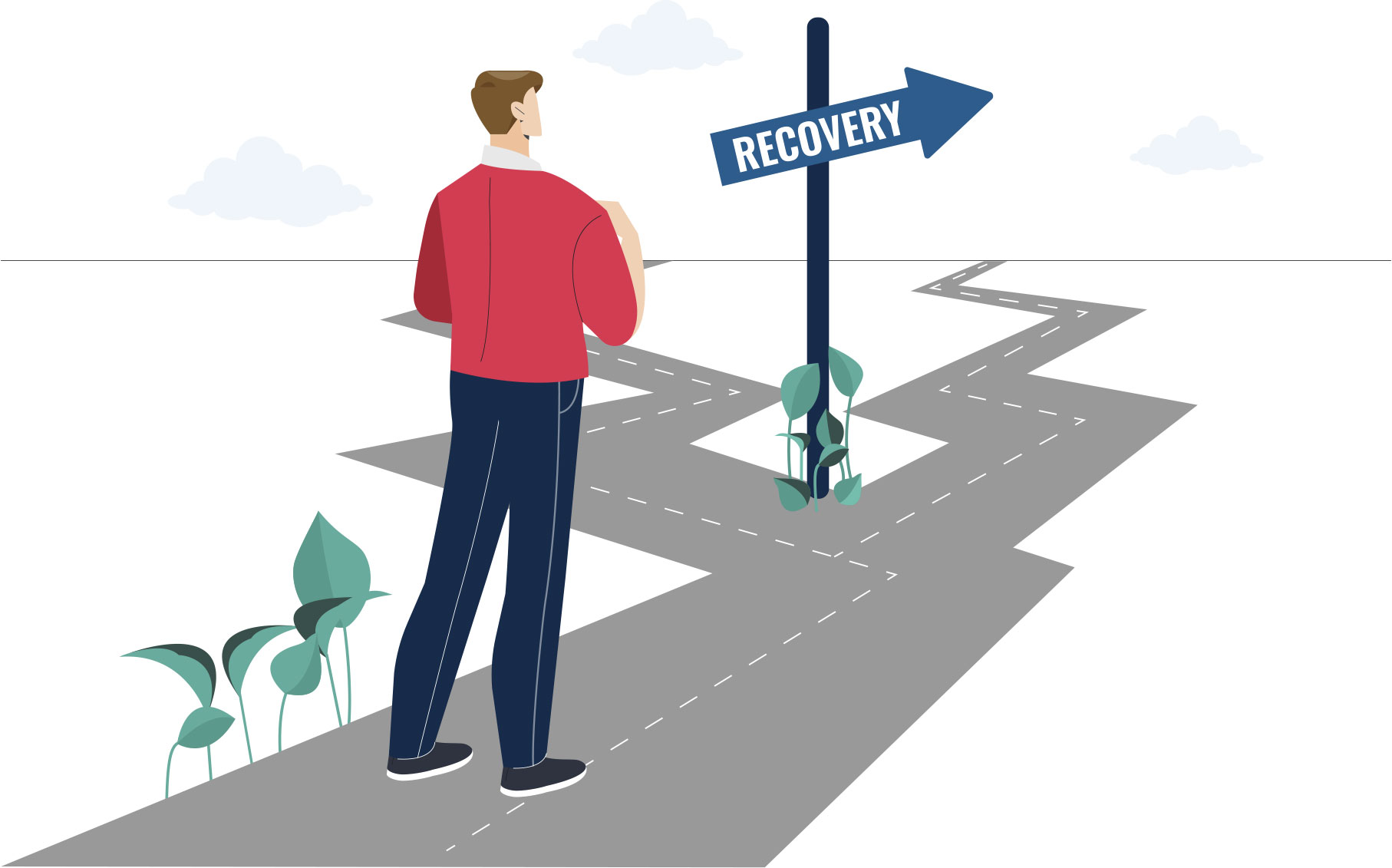
By acting sooner, this reform reserves incarceration for serious crimes and restores individuals to stability before crises escalate. It protects families from the heartbreak of preventable tragedy and strengthens public safety by reducing the number of untreated individuals in acute distress. The act promotes accountability, compassion, and consistency, bridging the gap between the justice system and the treatment system to ensure that every person in need has a clear path to recovery.
THE BOTTOM LINE:
The Expand Civil Commitment Act closes dangerous gaps in the law and creates a more humane, effective system of care. It empowers courts and clinicians to step in before it’s too late—protecting both individual well-being and community safety.

Stay Informed
Sign up to receive updates about our fight for policies at the state level that restore liberty through transparency and accountability in American governance.