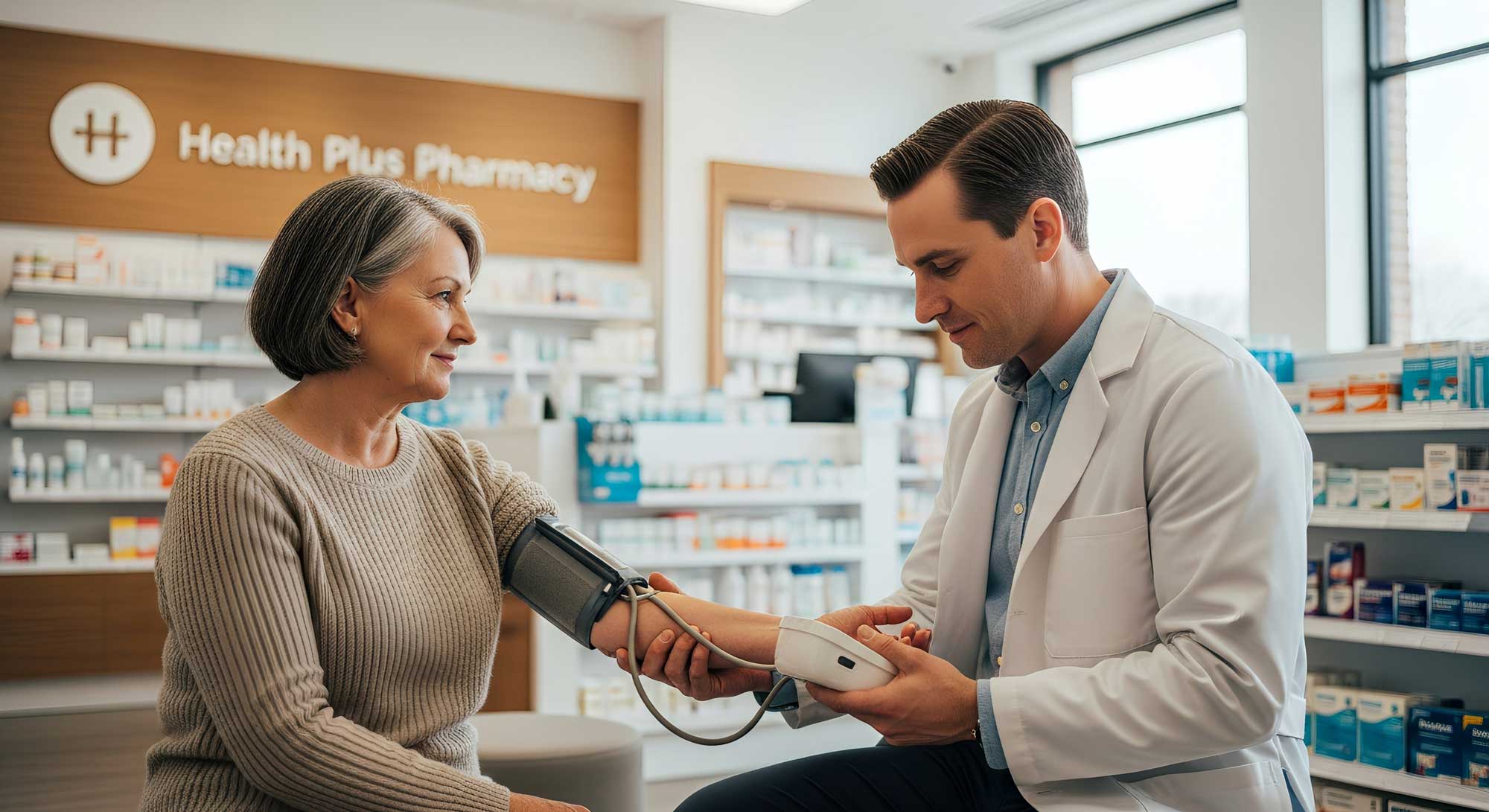
A Solution to the Doctor Shortage Could Be Just Down the Street
For millions of Americans, gaining timely access to basic medical care is a familiar struggle. The United States is projected to face a shortage of up to 124,000 physicians by the mid-2030s, according to the Association of American Medical Colleges. Nearly 30 percent of Americans do not have an established primary care physician. For many patients, even routine medical needs now mean protracted waits, long drives, or emergency rooms filling in for primary care.
Expanding physician-training pipelines alone cannot resolve this access gap in the near term. Medical education takes years, residency positions remain constrained, and recruiting clinicians to many communities has proved persistently difficult. In much of the country, the lack of physician capacity is already shaping where and how patients seek care.
At the same time, health care infrastructure already exists in most neighborhoods. The U.S. has more than 300,000 licensed pharmacists practicing in nearly 60,000 community pharmacies. Roughly 90 percent of Americans live within five miles of a pharmacy. These are physical health care sites that do not need to be built, staffed or licensed — they are already operating, with extended hours and walk-in access.

Stay Informed
Sign up to receive updates about our fight for policies at the state level that restore liberty through transparency and accountability in American governance.